Architectural Evolution: From Archibald Leitch to Modern Bowls
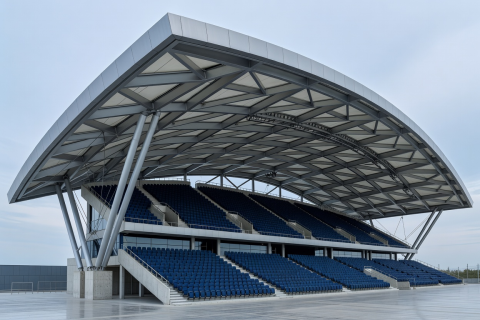
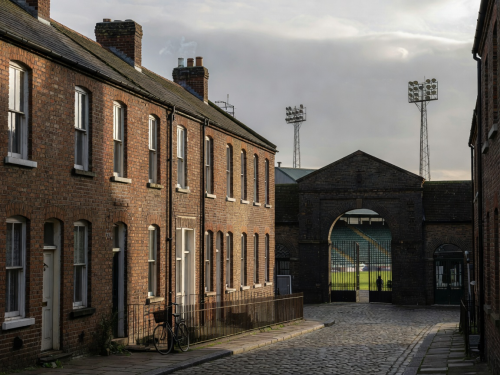
Understanding stadium architecture begins with recognizing the profound transition from traditional four-stand modular grounds to enclosed contemporary bowls. In the early twentieth century, Scottish architect Archibald Leitch pioneered the layout of classic British grounds, introducing criss-cross steel balustrades, gabled brick facades, and distinct separate stands tailored to steep residential footprints.
Grounds such as Goodison Park in Liverpool or Craven Cottage in London demonstrate this classic aesthetic, where tight angles and wooden floors maintain tangible links to early twentieth-century sport.
By contrast, the late twentieth and twenty-first centuries saw the rise of curvilinear, continuous bowl designs engineered for acoustic amplification, 360-degree concourse circulation, and optimal sightlines from every row. Stadiums like the Tottenham Hotspur Stadium in London, the San Siro in Milan with its iconic cylindrical access towers, or the Estadio Santiago Bernabéu in Madrid with its retractable roof showcase how engineering directly shapes atmosphere and hospitality.
Non-Matchday Tours: Behind-the-Scenes Perspectives
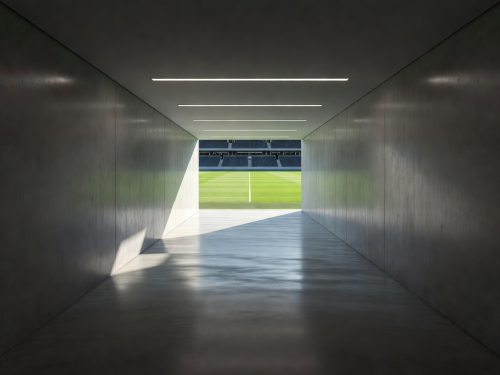
Non-matchday stadium tours provide access to areas strictly closed to the general public during competitive matches. Visitors walk through home and away dressing rooms, emerge through the players' tunnel to pitch level, sit in the manager's technical dugout, and view media press conference auditoriums.
Tour structures vary significantly between venues. Many historic grounds offer fully guided tours led by club historians who provide rich institutional narratives. Other major modern arenas deploy self-guided multimedia audio devices, allowing visitors to explore concourses at their own pace.
Non-matchday visits also present key trade-offs: while you gain quiet, unhindered photography opportunities and access to pitchside grass, you naturally miss the vibrant roar, terrace chants, and organic tension of a live crowd. Savvy travellers often combine a non-matchday tour on Friday with a live fixture on Saturday or Sunday.
Evaluating Club Museums and Historical Archives
Not every stadium features a dedicated club museum, and the depth of curation varies greatly. At clubs with extensive global legacies like FC Barcelona, Real Madrid, Manchester United, or AFC Ajax, museum exhibits present century-old trophies, vintage woolen kits, original founding documents, and interactive digital archives celebrating legendary tactical eras.
When evaluating whether a stadium museum warrants your travel time, look for institutions that document the club's wider civic impact rather than simply showcasing modern commercial merchandise. The most rewarding museums highlight how the club supported local communities during wartime, economic downturns, and urban transformation.
Matchday vs Non-Matchday Visit Comparison
| Visit Element | Non-Matchday Tour & Museum | Live Matchday Experience |
|---|---|---|
| Access to Restricted Areas | High: Dressing rooms, tunnel, dugouts, press room open. | None: Strictly restricted to ticketed concourses and seats. |
| Crowd & Atmosphere | Quiet, contemplative, uncrowded exploration. | Intense, sensory, communal chants and emotional tension. |
| Pacing & Photography | Relaxed: Unobstructed architecture photography. | Fast-paced: Crowded turnstiles, rapid transit flows. |
| Accessibility Needs | Elevator access readily available; quiet rest areas. | High density; requires careful pre-arranged accessible routing. |
Accessibility, Navigation, and Physical Ground Considerations
Older stadiums constructed in the mid-twentieth century often feature narrow spiral stairs, historic steep rake angles, and limited lift provision, which can present challenges for visitors with mobility considerations. Modern venues constructed under current universal accessibility codes offer step-free access, wide concourses, and dedicated sensory rooms.
Prior to booking any stadium tour or museum visit, review the venue's accessibility guides and confirm whether maintenance works or pitch relaying will affect viewing terraces. Being proactive ensures your ground visit is comfortable and deeply rewarding.