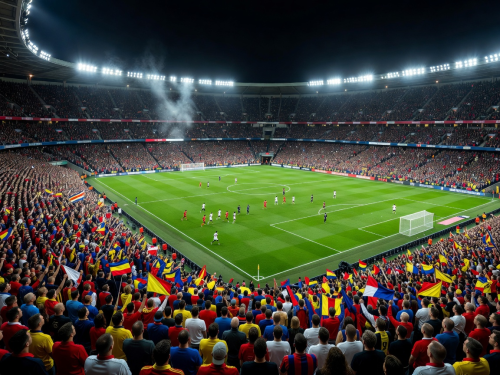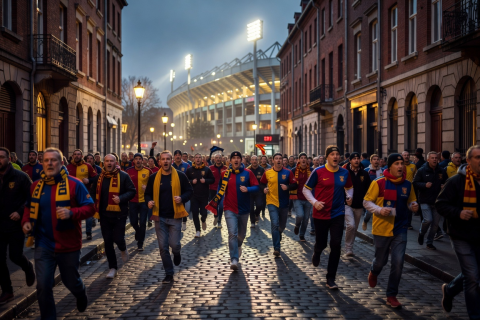
The Pre-Match Build-Up: Arriving Early and Surrounding Streets
Rushing to turnstiles twenty minutes prior to kickoff is the most common mistake made by sports travellers. The heart of the matchday experience unfolds two to three hours before kickoff in the surrounding streets.
In Germany, supporters gather around mobile bratwurst stalls and open beer gardens outside venues like the Olympiastadion in Berlin or Signal Iduna Park in Dortmund. In England, local pubs surrounding Anfield, Goodison Park, or Villa Park buzz with debate, nostalgic memorabilia, and regional accents.
Arriving early provides adequate buffer time to orient yourself, locate your designated gate and turnstile cluster, purchase an official matchday programme (a cherished collectible in Britain and Ireland), and soak in the mounting civic excitement as kick-off nears.
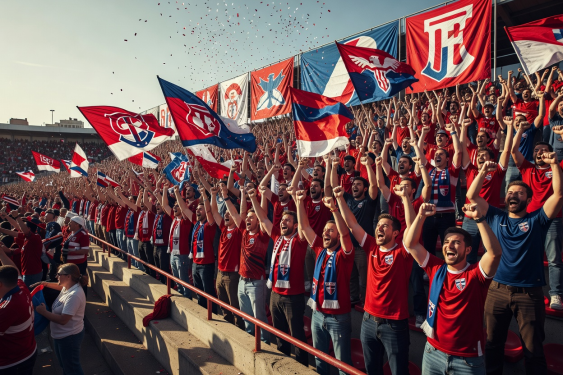
Turnstile Protocol, Security Searches, and Seating Realities
Modern stadiums employ structured electronic entry procedures. Most venues utilize optical barcode or QR-code scanners integrated into automated turnstile pods. Ensuring your mobile ticket is downloaded to your device wallet in advance is vital, as mobile reception often drops dramatically around stadium perimeters due to crowd density.
Security policies regarding baggage have tightened globally. Most professional European and North American venues enforce strict bag-size limits (often restricted to small A4-sized clear pouches or clutch bags), with large rucksacks, camera bags, and power banks strictly prohibited or subject to slow auxiliary bag-drop kiosks.
Once inside, locate your stand, block, row, and seat. In active supporter sections—particularly standing terraces or Curvas in Southern and Central Europe—ticketed seats are often ignored by vocal fan groups who stand collectively throughout the match. As a visitor, maintaining respectful situational awareness is essential.
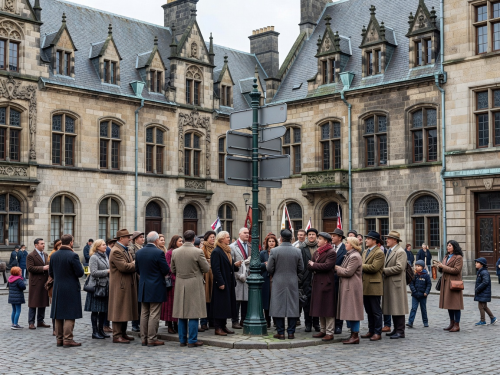
Terrace Culture, Etiquette, and Respecting Local Norms
Football terrace culture carries unspoken codes of conduct that vary by country and club. In the United Kingdom, away supporters are strictly segregated into dedicated visiting sections; wearing opposition colours or visibly celebrating in home tiers can lead to ejection or verbal hostility. Neutral international travellers should dress discreetly in neutral dark clothing when sitting in general admission home stands.
In Italy, Spain, and Latin America, flags, drums, and choreographed tifos (mosaic banner displays) are coordinated by organised Ultra groups. Photographing these displays from a distance is common, but photographing individual Ultra members up close without consent can breach local etiquette.
Matchday Timeline: Ideal Schedule for Football Travellers
-
T-3h
Arrive in the Stadium District: Disembark from suburban rail or tram. Walk the perimeter streets, visit team fan stores, and sample local street food.
-
T-90m
Turnstile Entry & Security: Pass through bag checks and scan your digital or physical ticket before concourses become heavily congested.
-
T-45m
Pitchside Warm-Up Observation: Take your seat as players emerge for warm-ups. Watch stadium stadium announcers, flags, and club anthems begin.
-
Post
Measured Post-Whistle Departure: Do not rush to the first train or tram alongside fifty thousand spectators. Linger in the ground or enjoy a coffee in nearby streets while transit queues dissipate.
Post-Whistle Departure: Navigating Mass Transit Safely
Departing a 60,000-capacity venue can test any traveller's patience. Public transit authorities often implement phased queueing cordons outside underground and light rail stations to avoid dangerous platform crowding.
Rushing for the immediate exit frequently results in forty minutes standing inside packed subway tunnels. Instead, planning to walk twenty minutes towards an adjacent station, or remaining in a nearby neighbourhood café until peak crowd pressure clears, ensures a relaxed conclusion to an exhilarating day of football travel.