The Geography of Club Rivalries: Divided Cities
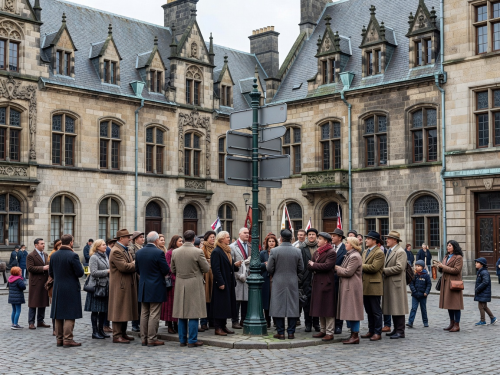
In polycentric football metropolises, supporting a specific club frequently correlates with neighbourhood geography, immigrant history, or social class. In Glasgow, the historic divide between Celtic in the East End and Rangers in the South Side represents one of world sport's most famous cultural tapestries.
In Milan, Internazionale and AC Milan famously share the municipal San Siro stadium in the western San Siro district, yet their fan bases maintain distinct historic identities that emerged from differing socioeconomic roots across Lombardy.
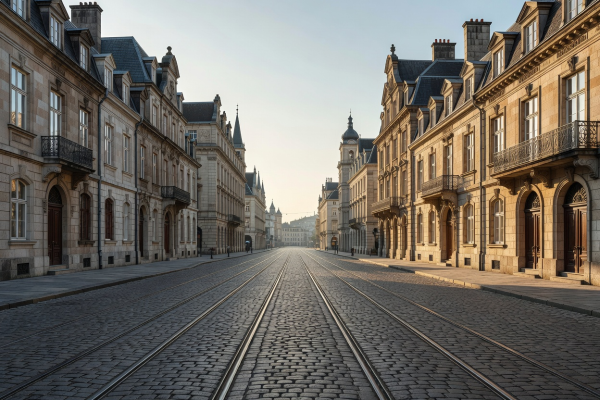
In London, the capital's vast geography fosters distinct regional identities: Arsenal and Tottenham Hotspur anchored firmly in North London; West Ham United rooted in the East End docklands; Chelsea and Fulham nestled along the River Thames in the southwest. Exploring these distinct boroughs reveals how varied the character of a single metropolis can be.
Stadium Neighbourhoods: Food, Tapas, and Supporter Hubs
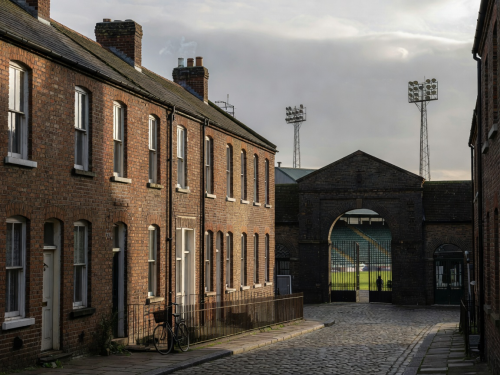
A stadium neighbourhood functions as a living cultural microcosm. In Madrid, the streets surrounding the Estadio Santiago Bernabéu in Chamartín offer upscale tapas bars, while the neighbourhood around the Estadio de Vallecas—home of Rayo Vallecano—retains a spirited, working-class, community-centric atmosphere with traditional bakeries and political murals.
In Buenos Aires, the vibrant, multi-coloured tin tenements of La Boca reflect the Italian immigrant origins of Boca Juniors, while the leafy avenues of Núñez house River Plate's iconic Estadio Mâs Monumental.
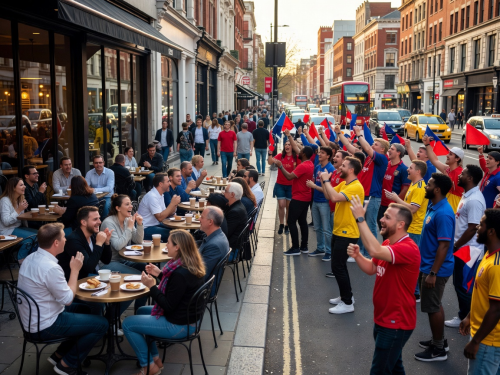
Sampling neighbourhood food on matchday is a highlight of sports travel. Whether it is a classic meat pie in Manchester, a pork sandwich (bocadillo de panceta) in Valencia, or Currywurst in Berlin, local cuisine offers an authentic taste of local matchday culture.
Accommodation Considerations: City-Centre vs Stadium Vicinity
One of the crucial dilemmas football travellers face is selecting where to base themselves. While booking a hotel directly beside the stadium appears convenient for matchday access, it frequently proves suboptimal for the broader journey.
Stadium districts often lack diverse dining options, museums, and night-time activities outside of match hours. Basing yourself in a vibrant central neighbourhood with direct metro or rail connections to the stadium district generally delivers the best balance of culture, dining, and transit flexibility.
Strategic Trade-Offs for Football Base Locations
-
A
City-Centre Base: Ideal for multi-day stays, cultural sightseeing, varied gastronomy, and late-night transport hubs. Requires a 25–45 minute transit ride on matchday.
-
B
Stadium-Adjacent Base: Eliminates post-match transit congestion; convenient for evening fixtures with late finishes. However, it can feel deserted on non-matchdays and lacks diverse dining.
-
C
Inter-City Rail Hub Base: Superb for regional itineraries visiting multiple cities (e.g. Manchester Piccadilly, Bologna Centrale, or Köln Hauptbahnhof), enabling quick day trips to nearby grounds.
Avoiding Cultural Reductionism in Sports Travel
While football is a powerful lens through which to explore a city, travellers should never reduce a destination solely to its sporting rivalries. Cities are intricate organisms shaped by centuries of literature, art, civic challenges, and diverse populations.
By approaching both the football stadium and the surrounding city with open-minded curiosity, travellers gain a nuanced appreciation of how sport enriches—rather than eclipses—the wider urban story.