Traditional Football Regions and Their Cultural Gravitas
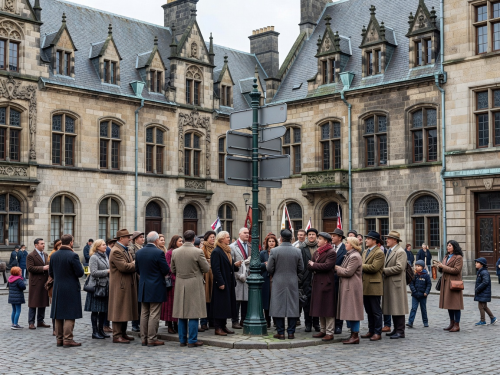
Certain global zones command unmatched esteem among football travellers due to their sheer density of historic clubs. In Western and Central Europe, regions such as North West England, the Ruhr Valley in Germany, Madrid, and Northern Italy host multiple top-flight and lower-league clubs within tight rail corridors.
In the Ruhr Valley, for example, clubs such as Borussia Dortmund, FC Schalke 04, and VfL Bochum are situated mere train stops apart. This allows visitors to encounter different industrial football legacies across a single weekend without long-distance domestic air travel. The regional transport network in North Rhine-Westphalia facilitates seamless movement between match locations.
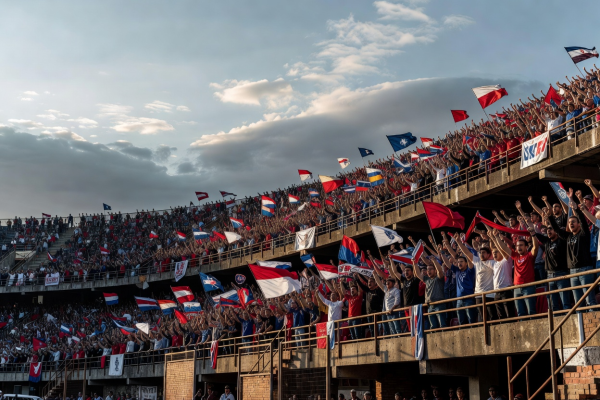
Similarly, Buenos Aires in Argentina represents the densest football capital on earth, featuring dozens of professional clubs including Boca Juniors, River Plate, Racing Club, and San Lorenzo within its metropolitan area. The intensity of South American supporter culture provides an unforgettable travel experience, though it necessitates greater local cultural awareness and careful planning.
Destination Stadiums Versus Dense Football Metropolises
When planning a football-centric trip, travellers generally choose between two primary archetypes: visiting an isolated "destination stadium" or exploring a multi-club metropolitan centre. Each model carries distinct advantages and logistical trade-offs.
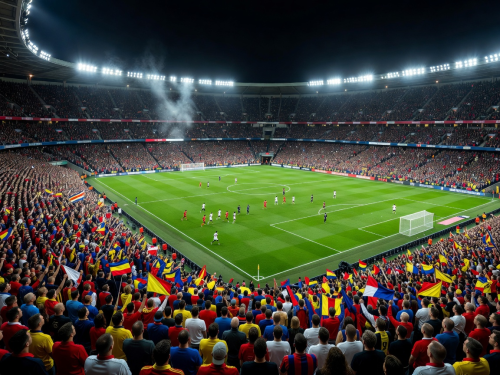
Destination stadiums are standalone architectural or cultural landmarks that often justify a journey in their own right. Examples include the Westfalenstadion in Dortmund with its renowned Yellow Wall terrace, or Celtic Park and Ibrox in Glasgow, where centuries of sporting rivalry are embedded in the city's identity. In these cases, the stadium visit forms the emotional apex of the trip.
Conversely, multi-club cities like London, Istanbul, and São Paulo offer travellers the flexibility to experience multiple grounds across various competitive tiers in a single itinerary. A traveller in London can contrast a Premier League fixture in an ultra-modern stadium with an afternoon in a vintage lower-division ground surrounded by community allotments and Victorian terraces.
City-Centre Integration Versus Suburban Outer Districts
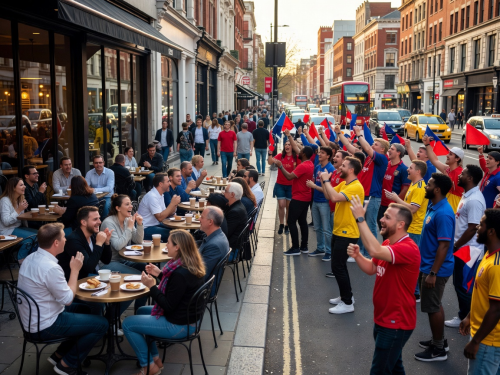
The spatial location of a ground dramatically influences the overall travel experience. Historic inner-city stadiums, such as Anfield in Liverpool, St James' Park in Newcastle, or the Mestalla in Valencia, are physically embedded into residential neighbourhoods. Supporters can walk directly from city-centre hotels or neighbourhood pubs straight to the turnstiles, integrating matchday seamlessly into everyday urban sightseeing.
Conversely, newer arenas constructed over the past three decades are frequently positioned on outer orbital peripheries or reclaimed industrial tracts to accommodate large car parks and transit hubs. Grounds like the Allianz Arena in Munich or the Johan Cruyff Arena in Amsterdam provide remarkable modern amenities, but their suburban locations require calculated public transit planning and offer less surrounding neighbourhood character before kickoff.
Framework for Comparing Football Travel Destinations
To choose the most rewarding destination for your itinerary, weigh these core editorial criteria before committing your travel schedule:
-
1
Transit Accessibility: Does the city possess direct commuter rail, tram, or metro lines leading directly to turnstile plazas, or are visitors dependent on suburban buses?
-
2
Fixture Clustering: Can you reasonably attend two distinct fixtures across a single weekend without rushed, overlapping schedules?
-
3
Cultural & Gastronomic Synergy: Does the destination offer rich non-sporting cultural appeal (museums, historic districts, regional food) when matches conclude?
-
4
Atmospheric Authenticity: Does the ground preserve passionate local support, vocal terrace chants, and traditional pre-match gathering points?
Harmonising Sports Itineraries with General Exploration
The most satisfying football travel itineraries maintain an equilibrium between stadium engagements and broader city discovery. Dedicating entire days exclusively to stadiums can lead to travel fatigue and narrow one's understanding of the destination.
Pair morning museum visits, architectural walking tours, or regional food markets with afternoon or evening match attendance. When football is woven organically into the fabric of a broader cultural holiday, each matchday gains greater resonance, transforming ninety minutes of sport into an unforgettable travel milestone.